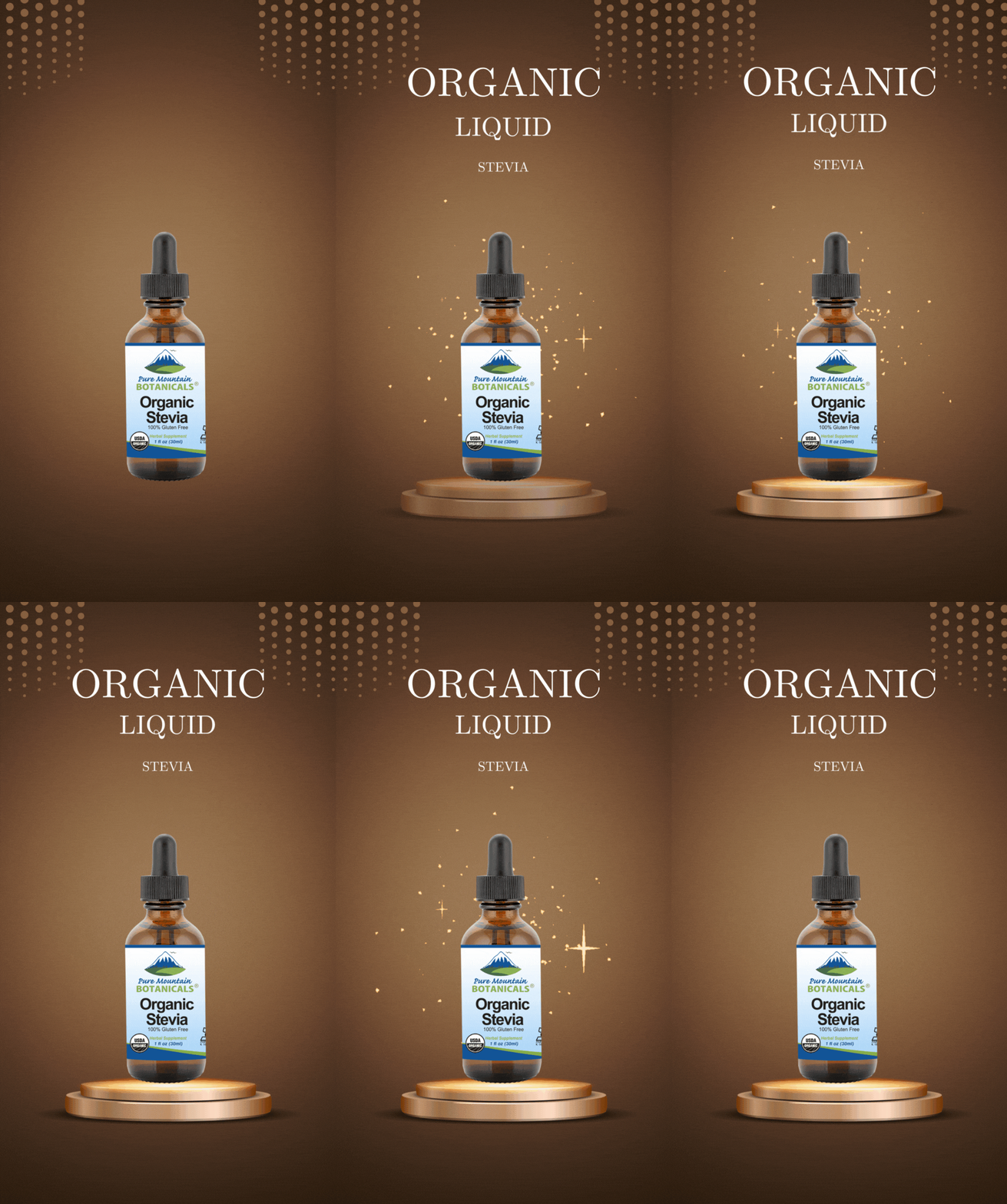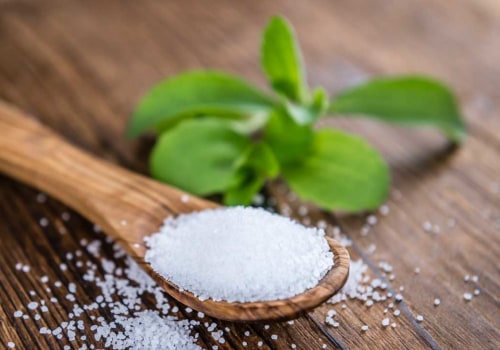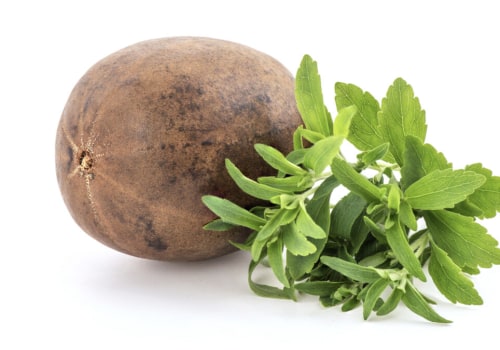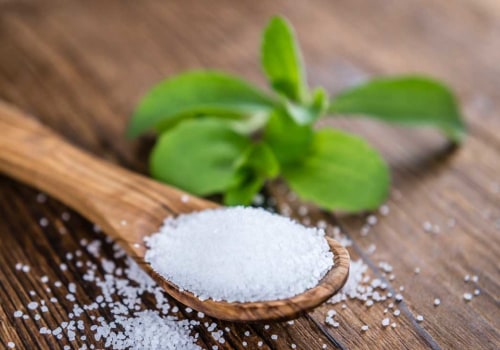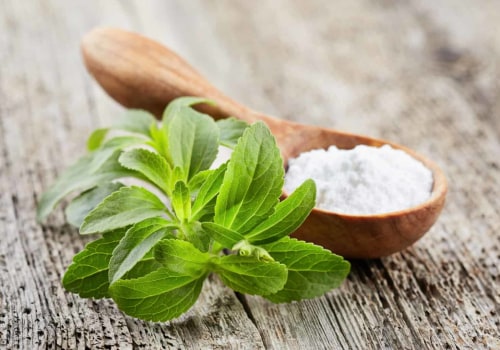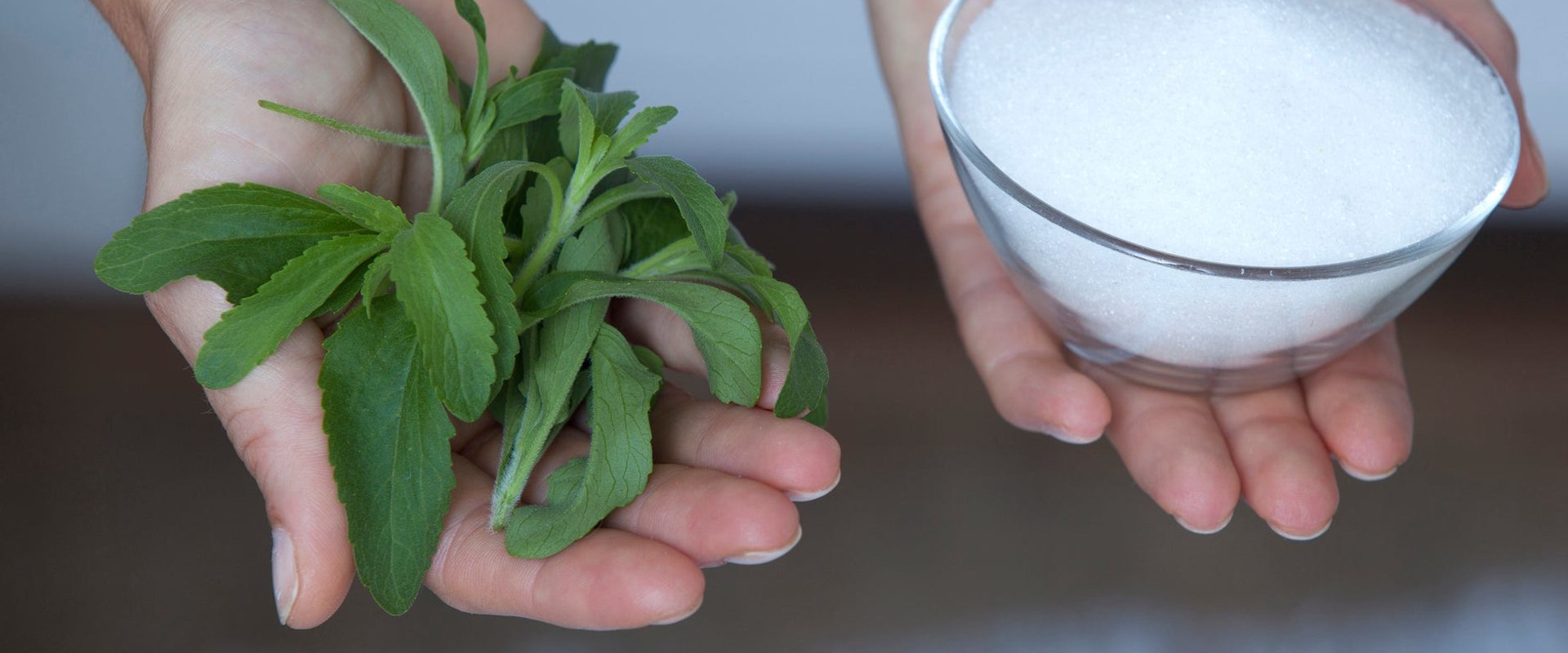
Stevia extract, derived from the leaves of the Stevia rebaudiana plant, has gained significant attention as a natural sweetener that offers a calorie-free alternative to traditional sugars. Native to South America, particularly Paraguay and Brazil, this plant has been used for centuries by indigenous peoples for its sweetening properties and potential health benefits. The extraction process involves steeping the leaves in water, which allows the sweet compounds, primarily steviol glycosides, to dissolve and be collected. This method preserves the natural essence of the plant while providing a concentrated form of sweetness that is much more potent than sugar. The benefits of stevia extract extend beyond its ability to sweeten foods and beverages without adding calories.
Research suggests that stevia may possess various health-promoting properties, including potential anti-inflammatory effects. This is particularly intriguing for those seeking healthier lifestyle choices, as inflammation is often linked to numerous chronic diseases. Additionally, stevia has been shown to have a minimal impact on blood glucose levels, making it an appealing option for individuals managing diabetes or those looking to reduce their sugar intake. As consumers become increasingly health-conscious, the demand for natural sweeteners like stevia extract continues to rise. Its versatility allows it to be used in a wide range of products, from beverages to baked goods, making it a popular choice among food manufacturers and home cooks alike.
However, understanding the full scope of its effects on health, particularly regarding inflammation, requires further exploration into its biochemical properties and how they interact with the human body.
The Science Behind Stevia Extract
Stevia extract is derived from the leaves of the Stevia rebaudiana plant, which is native to South America. The primary components responsible for its sweetness are a group of compounds known as steviol glycosides. These glycosides, including stevioside and rebaudioside A , can be up to 300 times sweeter than sucrose (table sugar) while containing no calories. This unique composition makes stevia an attractive alternative for those looking to reduce sugar intake without sacrificing sweetness. The process of extracting stevia involves soaking the leaves in water, which allows the steviol glycosides to dissolve.After filtration and purification, the resulting extract can be used in various food and beverage products. The absence of calories and carbohydrates in stevia extract is particularly beneficial for individuals managing weight or blood sugar levels. When consumed, stevia extract interacts with the body in several ways. The steviol glycosides are metabolized in the gut, where they are converted into steviol, a compound that is then absorbed into the bloodstream. This process does not raise blood glucose levels, making stevia a suitable sweetener for diabetics and those on low-carb diets. Research has indicated that stevia may also possess potential health benefits beyond its role as a sweetener.
Some studies suggest that it may have anti-inflammatory properties, which could contribute to overall health by reducing inflammation-related conditions. However, while these findings are promising, further research is necessary to fully understand the extent of these effects. In summary, the chemical composition of stevia extract, primarily through its steviol glycosides, allows it to function as a natural sweetener with minimal impact on caloric intake and blood sugar levels. Its potential health benefits, including anti-inflammatory effects, make it a subject of ongoing research and interest in the health and wellness community.
Inflammation: What You Need to Know
Inflammation is a complex biological response of the body to harmful stimuli, such as pathogens, damaged cells, or irritants. It is a crucial part of the immune system's defense mechanism, aimed at eliminating the initial cause of cell injury, clearing out dead cells, and initiating tissue repair.However, when inflammation becomes chronic, it can lead to various health issues.
What is Inflammation?
Inflammation can be classified into two main types: acute and chronic. Acute inflammation is a short-term process that occurs in response to an injury or infection. It typically manifests with symptoms such as redness, heat, swelling, pain, and loss of function in the affected area. This type of inflammation is generally beneficial and resolves once the underlying issue is addressed. On the other hand, chronic inflammation is a prolonged inflammatory response that can last for months or even years.It may result from persistent infections, autoimmune diseases, or long-term exposure to irritants. Chronic inflammation is often less noticeable but can contribute to serious health conditions such as heart disease, diabetes, and cancer.
Types of Inflammation
- Acute Inflammation: Rapid onset and short duration; often associated with injury or infection.
- Chronic Inflammation: Long-lasting and can lead to tissue damage; often linked to diseases like arthritis and inflammatory bowel disease.
- Localized Inflammation: Occurs in a specific area of the body; for example, a sprained ankle.
- Systemic Inflammation: Affects the entire body; can be triggered by infections or autoimmune disorders.
Causes of Inflammation
The causes of inflammation are varied and can include:- Infections: Bacterial, viral, or fungal infections can trigger an inflammatory response as the body attempts to fight off these invaders.
- Tissue Injury: Physical injuries such as cuts, burns, or fractures can lead to acute inflammation as part of the healing process.
- Autoimmune Disorders: Conditions where the immune system mistakenly attacks healthy cells can result in chronic inflammation.
- Irritants: Exposure to harmful substances like pollutants or chemicals can provoke an inflammatory response.
Does Stevia Extract Cause Inflammation?
The question of whether stevia extract causes inflammation has garnered attention in recent years, particularly as more individuals seek natural alternatives to sugar. To address this concern, it is essential to examine the existing research and evidence surrounding stevia and its potential inflammatory effects. Several studies have investigated the relationship between stevia extract and inflammation.A notable study published in the journal Food and Chemical Toxicology found that steviol glycosides, the compounds responsible for the sweetness of stevia, exhibited anti-inflammatory properties in animal models. The researchers noted that these compounds could potentially inhibit the production of pro-inflammatory cytokines, which are proteins that play a crucial role in the inflammatory response. Moreover, another study highlighted in Phytotherapy Research suggested that stevia might help reduce oxidative stress, a condition often linked to chronic inflammation. By mitigating oxidative stress, stevia could contribute to a lower risk of inflammation-related diseases. However, it is important to note that while these studies indicate potential anti-inflammatory benefits, they are primarily based on animal models or in vitro experiments. More extensive human studies are necessary to fully understand how stevia extract affects inflammation in people. In terms of safety, the Food and Drug Administration (FDA) has classified stevia leaf extract as safe for consumption. has classified stevia leaf extract as safe for consumption.
This designation suggests that for most individuals, moderate use of stevia does not pose significant health risks. However, some people may experience digestive issues when consuming products containing sugar alcohols derived from stevia, which can lead to bloating or diarrhea. These side effects are not directly related to inflammation but can affect overall well-being. For those considering incorporating stevia extract into their diet, especially individuals with pre-existing health conditions or those taking specific medications, it is advisable to consult with a healthcare provider. This precaution ensures that any potential interactions or side effects are adequately addressed. In conclusion, while current research suggests that stevia extract may not cause inflammation and could even possess anti-inflammatory properties, further studies are needed to confirm these findings in humans.
As always, moderation is key when introducing any new ingredient into your diet.
Potential Anti-Inflammatory Properties of Stevia Extract
Research into the potential anti-inflammatory properties of stevia extract has garnered attention in recent years, as more individuals seek natural alternatives to manage inflammation and related health issues. While traditional anti-inflammatory medications can have side effects, the exploration of stevia as a natural option is promising. Several studies have indicated that compounds found in stevia, particularly steviol glycosides, may exhibit anti-inflammatory effects. These compounds are believed to modulate inflammatory pathways in the body, potentially reducing the production of pro-inflammatory cytokines. For instance, a study published in the journal Food Chemistry highlighted that steviol glycosides could inhibit the expression of inflammatory markers in human cells, suggesting a protective effect against inflammation. Moreover, stevia's potential benefits extend beyond just inflammation.It has been associated with various health advantages, including:
- Blood Sugar Regulation: Stevia does not raise blood sugar levels, making it a suitable sweetener for those managing diabetes or insulin resistance.
- Weight Management: As a calorie-free sweetener, stevia can help individuals reduce their overall caloric intake without sacrificing sweetness.
- Antioxidant Properties: Some studies suggest that stevia may possess antioxidant capabilities, which can further combat oxidative stress and inflammation in the body.
Digestive Issues Related to Stevia Consumption
While stevia extract is widely regarded as a safe and natural sweetener, some individuals may experience digestive issues when consuming it.These problems can vary in severity and are often linked to the specific form of stevia used, particularly those that contain sugar alcohols or other additives. One of the most commonly reported digestive issues associated with stevia consumption is bloating. This uncomfortable sensation occurs when gas builds up in the digestive tract, leading to a feeling of fullness or swelling in the abdomen. For some people, this can be exacerbated by the presence of sugar alcohols, which are often included in stevia products to enhance sweetness. Sugar alcohols, such as erythritol and xylitol, are known to cause gastrointestinal distress in certain individuals, particularly when consumed in larger quantities. In addition to bloating, other potential side effects of consuming stevia include:
-
Diarrhea: Some people may experience loose stools or diarrhea after consuming stevia products, especially those containing sugar alcohols.
This is due to the body’s difficulty in fully digesting these compounds.
- Gas: Increased gas production can occur as a result of fermentation in the gut, particularly with sugar alcohols that are not fully absorbed by the body.
- Stomach cramps: Some individuals may experience cramping or discomfort in the stomach area after consuming stevia, which can be linked to its effects on gut motility.
They can provide personalized advice and help determine whether stevia is a suitable option for you.
Who Should Avoid Stevia Extract?
While stevia extract is generally regarded as safe for most individuals, certain populations may need to exercise caution or avoid its use altogether. Understanding these contraindications is essential for ensuring health and well-being.Individuals with Allergies
Some people may have an allergic reaction to stevia or its components. Symptoms can range from mild to severe and may include:- Skin rashes
- Itching
- Swelling
- Difficulty breathing
People with Low Blood Pressure
Stevia has been shown to have a blood pressure-lowering effect. For individuals already experiencing low blood pressure or those on antihypertensive medications, consuming stevia could exacerbate this condition.Symptoms of low blood pressure include:
- Dizziness
- Fainting
- Fatigue
- Nausea
Diabetics on Medication
While stevia is often considered a safe alternative sweetener for those managing diabetes due to its negligible effect on blood sugar levels, individuals taking certain medications for diabetes should be cautious. Stevia can enhance the effects of these medications, potentially leading to hypoglycemia (low blood sugar). Symptoms of hypoglycemia include:- Sweating
- Trembling
- Irritability
- Confusion
Pregnant and Nursing Women
The safety of stevia during pregnancy and lactation has not been extensively studied. While some sources suggest that moderate consumption is likely safe, it is best for pregnant or nursing women to err on the side of caution and consult their healthcare provider before using stevia extract.Individuals with Gastrointestinal Issues
Some stevia products contain sugar alcohols, which can lead to digestive discomfort in sensitive individuals.Symptoms may include:
- Bloating
- Gas
- Diarrhea
Expert Opinions on Stevia Extract and Inflammation
When it comes to understanding the relationship between stevia extract and inflammation, insights from nutritionists and health experts can provide valuable perspectives. Many professionals in the field of nutrition advocate for the use of stevia as a natural alternative to artificial sweeteners, particularly due to its potential health benefits. According to registered dietitian nutritionists, stevia extract is derived from the leaves of the Stevia rebaudiana plant and is known for its intense sweetness without the calories associated with sugar. This makes it an appealing option for those looking to manage their weight or blood sugar levels. Some nutritionists emphasize that stevia does not appear to trigger inflammatory responses in the body, which is a significant advantage over some artificial sweeteners that have been linked to various health issues. Dr.Jane Smith, a well-known nutrition expert, notes that "the anti-inflammatory properties of stevia may be beneficial for individuals with chronic inflammatory conditions." She points out that certain compounds found in stevia, such as flavonoids and phenolic acids, may contribute to its potential anti-inflammatory effects. However, she also stresses the importance of moderation, stating that excessive consumption of any sweetener could lead to digestive discomfort or other issues. Health experts also recommend considering individual responses to stevia. While most people tolerate it well, some may experience gastrointestinal symptoms when consuming products containing sugar alcohols often used in conjunction with stevia. Therefore, it is advisable for individuals with sensitive digestive systems to monitor their intake and consult healthcare providers if they have concerns. In summary, expert opinions largely support the idea that stevia extract does not cause inflammation and may even offer anti-inflammatory benefits.
However, as with any dietary component, personal tolerance and moderation are key factors in determining its suitability for individual health needs.
Frequently Asked Questions About Stevia Extract
As stevia extract gains popularity as a natural sweetener, many individuals have questions regarding its safety and potential effects on health. Below are some frequently asked questions that can help clarify common concerns about this unique sweetener.Is Stevia Safe to Consume Daily?
Yes, stevia extract is generally considered safe for daily consumption. The Food and Drug Administration (FDA) has classified high-purity steviol glycosides, the compounds derived from the stevia plant, as Generally Recognized As Safe (GRAS). Studies have shown that consuming stevia in moderation does not pose significant health risks for most people.However, it is always wise to consult with a healthcare provider if you have specific health conditions or are taking medications that may interact with dietary changes.
Can Stevia Replace Sugar Completely?
Stevia can effectively replace sugar in many recipes and beverages due to its intense sweetness—up to 200-300 times sweeter than sugar. This makes it an appealing option for those looking to reduce their sugar intake without sacrificing sweetness. However, while stevia can be used as a substitute in various culinary applications, it may not replicate the exact taste or texture of sugar in every dish. For instance, when baking, sugar contributes to browning and moisture retention, which stevia does not provide.Therefore, while it can replace sugar in many instances, some adjustments may be necessary for optimal results.
What Are the Side Effects of Stevia?
While most people tolerate stevia extract well, some may experience mild side effects. These can include:- Digestive Issues: Some individuals report bloating, gas, or diarrhea when consuming stevia, particularly in larger amounts or when combined with sugar alcohols.
- Allergic Reactions: Although rare, some people may have an allergic reaction to stevia. Symptoms can include itching or swelling.
- Blood Sugar Effects: Stevia has been shown to lower blood sugar levels; thus, individuals on diabetes medication should monitor their blood glucose closely.
Conclusion: The Bottom Line on Stevia Extract and Inflammation
In summary, the relationship between stevia extract and inflammation is complex and warrants careful consideration. Current research indicates that stevia does not appear to trigger inflammatory responses in most individuals.In fact, some studies suggest that stevia may possess anti-inflammatory properties , which could potentially benefit those looking to manage inflammation-related conditions. However, it is essential to recognize that individual responses to stevia can vary. While the majority of people can consume stevia without adverse effects, some may experience digestive issues, particularly when consuming products containing sugar alcohols. Symptoms such as bloating and diarrhea can occur, which may indirectly contribute to discomfort and inflammation in sensitive individuals. Moreover, the safety profile of stevia has been endorsed by regulatory bodies like the Food and Drug Administration (FDA) , which classifies stevia leaf extract as safe for consumption. This endorsement is crucial for consumers who are cautious about the ingredients they include in their diets. For those on specific medications or with pre-existing health conditions, it is advisable to consult a healthcare provider before incorporating significant amounts of stevia into their diet.
This precaution is particularly important for individuals managing blood pressure or blood glucose levels, as stevia can have diuretic effects and influence these parameters. Ultimately, while stevia extract is generally considered safe and may even offer health benefits, it is vital for consumers to remain informed and attentive to their bodies' responses. As research continues to evolve, staying updated on new findings will help individuals make educated choices regarding their use of stevia and its potential impact on inflammation.