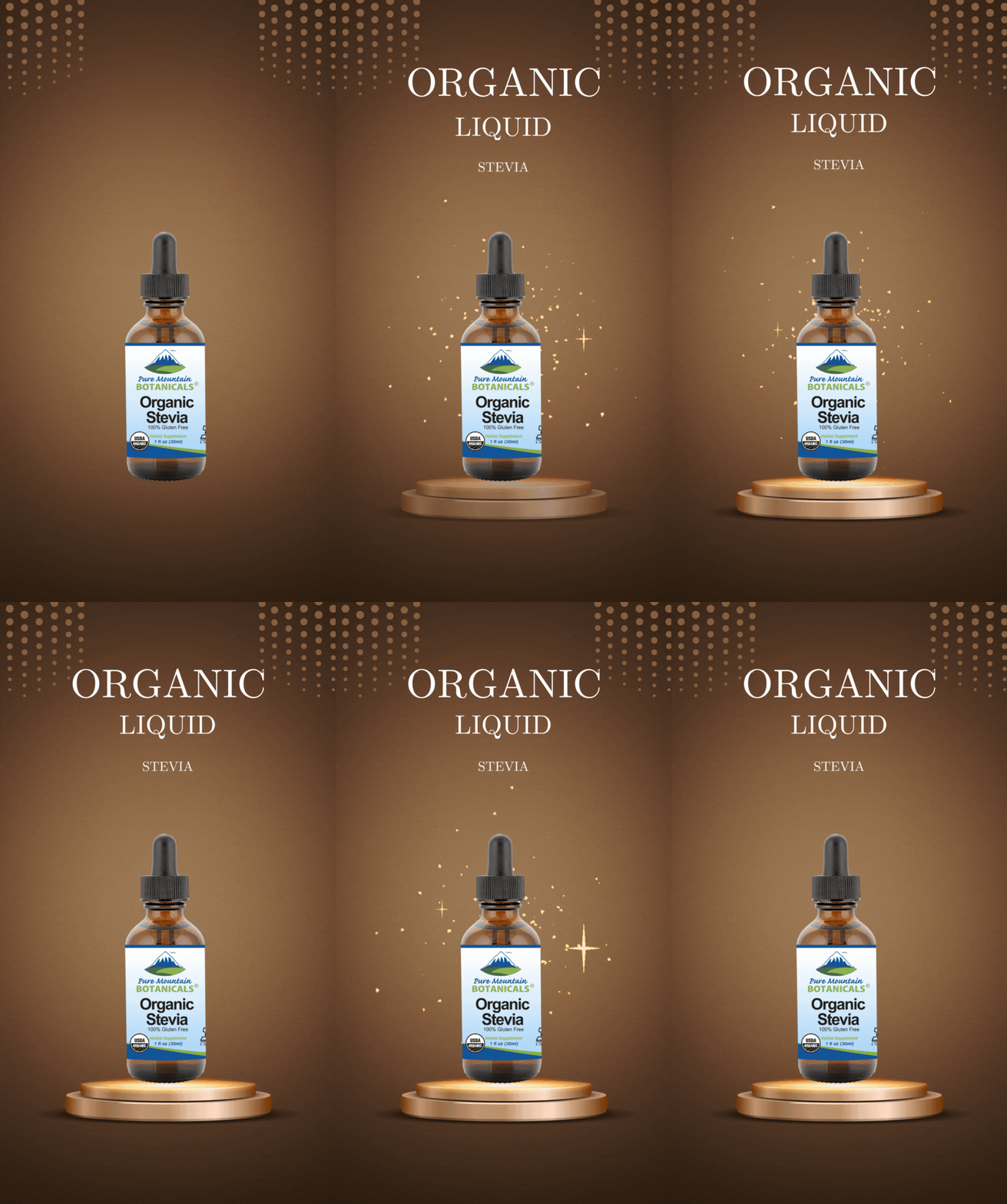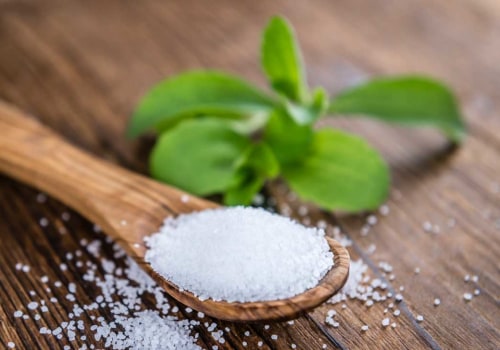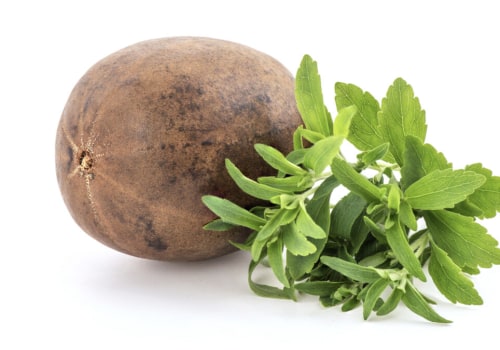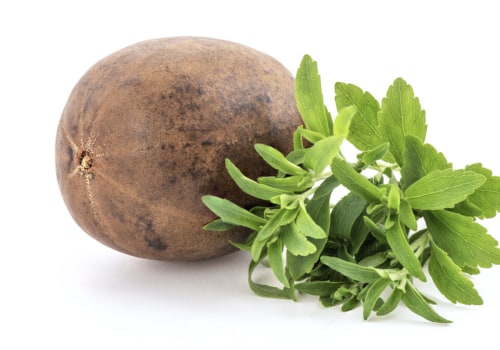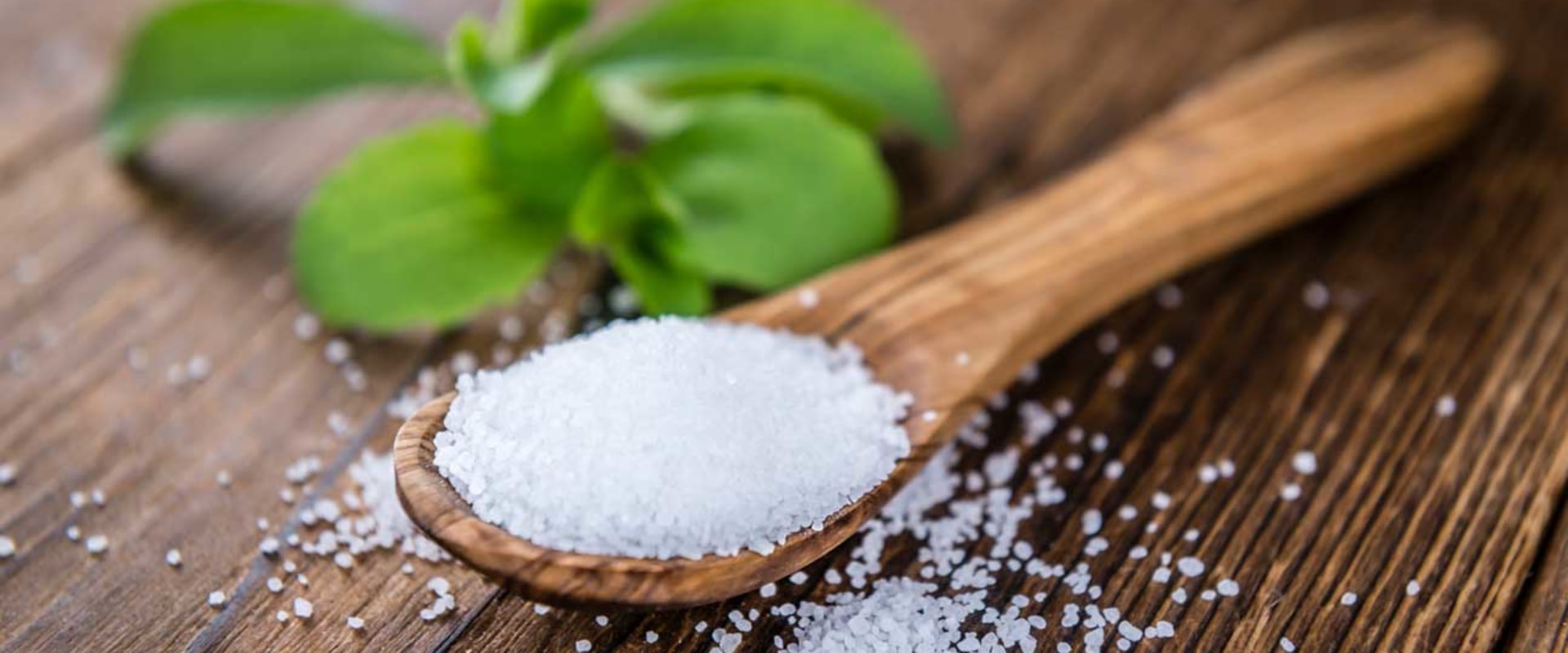
Stevia extract, derived from the leaves of the Stevia rebaudiana plant, has gained significant attention as a natural sweetener. This plant, native to South America, has been used for centuries by indigenous peoples for its sweetening properties. The extract is composed primarily of steviol glycosides, which are compounds that provide the sweet taste without the calories associated with traditional sugars. Unlike artificial sweeteners, which often come with a host of chemical additives, stevia extract offers a more natural alternative that appeals to health-conscious consumers. One of the most compelling benefits of stevia extract is its ability to provide sweetness without contributing to caloric intake.
This makes it an attractive option for those looking to reduce their sugar consumption or manage their weight. Additionally, stevia extract does not raise blood glucose levels, making it a suitable choice for individuals with diabetes or those monitoring their carbohydrate intake. The versatility of stevia allows it to be used in various forms, including liquid drops, powdered extracts, and even as an ingredient in processed foods and beverages. However, as with any food product, understanding the safety and implications of consuming stevia extract is crucial. While highly purified forms of steviol glycosides have been deemed safe by regulatory bodies like the FDA, there are still concerns regarding less refined versions of the extract.
Whole stevia leaves and raw extracts have not received approval as food additives due to insufficient toxicological data. Therefore, it is essential for consumers to choose products that contain pure stevia extract to ensure they are reaping the benefits without potential risks.
The Science Behind Stevia Extract
Stevia extract, derived from the leaves of the Stevia rebaudiana plant, is renowned for its sweetness and potential health benefits. The primary components responsible for its sweet flavor are known as steviol glycosides. These natural compounds are significantly sweeter than sucrose (table sugar), with some being up to 300 times sweeter.Understanding the composition of stevia extract and how it interacts with the body is crucial for evaluating its safety and efficacy as a sugar substitute.
Composition of Stevia Extract
Steviol glycosides are a group of compounds that include several different types, such as stevioside, rebaudioside A, rebaudioside C, and others. Each of these glycosides has unique properties and sweetness levels. For instance, while stevioside is known for its strong sweetness, rebaudioside A is often favored in food products due to its cleaner taste profile and lower aftertaste.
The extraction process of stevia involves drying the leaves and then using water or alcohol to extract these glycosides. The resulting product is a concentrated sweetener that retains the beneficial properties of the plant while eliminating unwanted components.
Importantly, the FDA has approved only highly purified forms of steviol glycosides for use in food products, ensuring that consumers receive a safe product.
How Stevia Works in the Body
When consumed, steviol glycosides undergo a metabolic process in the body. Unlike sugar, which can spike blood glucose levels, stevia does not raise blood sugar. This is because steviol glycosides are not fully absorbed in the upper gastrointestinal tract; instead, they pass into the colon where they are broken down by gut bacteria into steviol. This compound is then absorbed into the bloodstream and eventually excreted through urine.
This unique metabolic pathway is one reason why stevia is considered a safe alternative for those managing blood sugar levels, such as individuals with diabetes.
Research indicates that stevia may even enhance insulin sensitivity, further supporting its role in blood sugar management. In summary, the science behind stevia extract reveals a complex yet fascinating interaction between its natural components and human physiology. With its unique composition and metabolic effects, stevia stands out as a promising alternative to traditional sugars, offering sweetness without the associated caloric load or adverse health effects.
Health Benefits of Stevia Extract
Stevia extract, derived from the leaves of the Stevia rebaudiana plant, has gained popularity as a natural sweetener due to its numerous health benefits. One of the most significant advantages of stevia extract is its potential role in managing blood sugar levels, making it an appealing option for individuals with diabetes.Stevia for Diabetes
Research indicates that stevia extract does not raise blood glucose levels, which is crucial for those managing diabetes. Unlike traditional sugars, stevia is a non-caloric sweetener that can satisfy sweet cravings without impacting insulin sensitivity.
Studies have shown that incorporating stevia into the diet may even enhance the body's ability to metabolize glucose, providing a dual benefit for blood sugar management.
Furthermore, stevia has been recognized for its potential to improve glycemic control. Experts in nutrition and medicine have noted that low-calorie sweeteners like stevia can contribute positively to overall diabetes care by helping individuals maintain stable blood sugar levels. This makes it a valuable tool for those looking to enjoy sweet flavors while adhering to dietary restrictions.
Weight Loss with Stevia
Another compelling benefit of stevia extract is its role in weight management. As a calorie-free alternative to sugar, stevia allows individuals to reduce their overall caloric intake without sacrificing taste.
This can be particularly beneficial for those trying to lose weight or maintain a healthy weight. By substituting stevia for sugar in beverages and recipes, individuals can enjoy sweetness without the added calories that contribute to weight gain. Moreover, some studies suggest that using stevia may help curb appetite and reduce cravings for sugary foods. This effect can lead to healthier eating habits and better adherence to weight loss goals. Unlike artificial sweeteners, which may trigger compensatory eating behaviors, stevia has been shown not to stimulate additional food intake, making it a more effective choice for those focused on weight loss. In summary, the health benefits of stevia extract are multifaceted, particularly in managing diabetes and supporting weight loss efforts.
Its ability to provide sweetness without calories or adverse effects on blood sugar levels makes it an excellent alternative for health-conscious individuals seeking to improve their dietary choices.
Safety and Regulatory Status of Stevia Extract
The safety and regulatory status of stevia extract is a critical aspect for consumers considering its use as a sugar substitute. The U. S. Food and Drug Administration (FDA) plays a significant role in determining the safety of food additives, including sweeteners derived from the stevia plant. In 2008, the FDA granted Generally Recognized as Safe (GRAS) status to certain highly purified steviol glycosides, which are the sweet compounds extracted from the leaves of the stevia plant.This approval means that these specific extracts can be used safely in food and beverages without posing health risks to consumers. However, it is important to note that the FDA has not approved raw stevia leaves or crude extracts for consumption due to insufficient safety data. The FDA's decision was based on extensive research and safety assessments conducted by various scientific bodies, including the Joint FAO/WHO Expert Committee on Food Additives (JECFA). These assessments concluded that high-purity steviol glycosides do not raise blood glucose levels and are safe for consumption within established daily intake limits. Despite the positive regulatory status of purified stevia extracts, some consumers remain concerned about potential side effects. Research indicates that when consumed within recommended limits, stevia extract does not have adverse effects on health.
In fact, studies have shown that it may even offer benefits such as improved glucose metabolism and reduced calorie intake. It is also worth mentioning that while stevia extract is considered safe for most individuals, those with specific health conditions or sensitivities should consult healthcare professionals before incorporating it into their diets. For instance, individuals with allergies to plants in the Asteraceae family may experience reactions to stevia. In summary, the regulatory framework surrounding stevia extract supports its safety for general consumption, particularly when using products that contain high-purity steviol glycosides. As with any food additive, staying informed about its use and adhering to recommended guidelines can help ensure a safe and enjoyable experience.
Potential Risks and Side Effects of Stevia Extract
While stevia extract is widely regarded as a safe alternative to sugar, it is essential to consider potential risks and side effects associated with its consumption. Understanding these factors can help consumers make informed decisions about incorporating stevia into their diets.Allergic Reactions
Some individuals may experience allergic reactions to stevia extract.
Symptoms can range from mild to severe and may include:
- Skin rashes or hives
- Itching or swelling, particularly around the face, lips, or throat
- Difficulty breathing or swallowing
Gastrointestinal Issues
Another potential side effect of consuming stevia extract is gastrointestinal discomfort. Some users report symptoms such as:
- Bloating
- Gas
- Diarrhea
Impact on Blood Sugar Levels
Although stevia is generally considered safe for people with diabetes due to its non-caloric nature, some studies suggest that it may have varying effects on blood sugar levels among different individuals. While most research indicates that stevia does not raise blood glucose levels, individual responses can differ.
Monitoring your blood sugar levels after consuming stevia can help determine how it affects you personally.
Potential Hormonal Effects
There are concerns regarding the long-term effects of stevia on hormonal balance. Some animal studies have indicated that high doses of stevia may affect reproductive health and hormone levels. However, more research is needed to fully understand these implications in humans. It is advisable for pregnant or breastfeeding women to consult their healthcare provider before using stevia extract.
Conclusion
In summary, while stevia extract offers a natural alternative to sugar with several benefits, it is not without potential risks and side effects.
Individuals should be aware of possible allergic reactions, gastrointestinal issues, and the need for careful monitoring of blood sugar levels. Consulting with a healthcare professional can provide personalized guidance based on individual health needs and conditions.
Stevia Extract vs. Other Sweeteners
When it comes to sweeteners, consumers are often faced with a plethora of options, each with its own set of benefits and drawbacks. Among these, stevia extract stands out as a natural alternative to both traditional sugar and various artificial sweeteners.Understanding how stevia compares to these other options can help individuals make informed dietary choices.
Stevia vs. Sugar
One of the most significant differences between stevia extract and sugar is their caloric content. Sugar is high in calories, contributing to weight gain and various health issues when consumed in excess. In contrast, stevia is a zero-calorie sweetener, making it an appealing choice for those looking to reduce their caloric intake without sacrificing sweetness.
Additionally, stevia does not raise blood glucose levels, which is particularly beneficial for individuals managing diabetes or those looking to maintain stable energy levels throughout the day.
Moreover, regular consumption of sugar has been linked to numerous health problems, including obesity, heart disease, and dental issues. Stevia, on the other hand, has been shown to have potential health benefits, such as antioxidant properties and anti-inflammatory effects. This makes it a more favorable option for health-conscious consumers.
Stevia vs. Artificial Sweeteners
Artificial sweeteners like aspartame and sucralose are often marketed as low-calorie alternatives to sugar.
However, they come with their own set of controversies regarding safety and long-term health effects. Some studies have suggested that artificial sweeteners may disrupt gut microbiota or lead to increased cravings for sugary foods.
In contrast, stevia extract is derived from the leaves of the Stevia rebaudiana plant and is considered a natural sweetener. It has gained recognition for its safety profile, as it has been approved by regulatory bodies like the FDA when highly purified. Unlike many artificial sweeteners, stevia does not have a bitter aftertaste and can be used in various culinary applications without compromising flavor.
Natural Sweeteners Comparison
When comparing stevia to other natural sweeteners such as honey or agave nectar, it's essential to consider their glycemic index (GI) and caloric content.
While honey and agave nectar contain natural sugars and calories, stevia remains calorie-free and has a negligible effect on blood sugar levels. In summary, stevia extract offers a compelling alternative to both sugar and artificial sweeteners. Its zero-calorie nature, potential health benefits, and natural origin make it an attractive option for those seeking healthier sweetening solutions.
How to Incorporate Stevia Extract into Your Diet
Incorporating stevia extract into your diet can be a delightful way to enjoy sweetness without the added calories of sugar. Here are some practical tips on how to use stevia in various recipes and beverages.Using Stevia in Recipes
When it comes to baking or cooking, substituting stevia for sugar requires some adjustments due to its concentrated sweetness. Here are some guidelines:- Conversion Ratio: Stevia is significantly sweeter than sugar, so you need much less of it.
A general rule of thumb is to use 1 teaspoon of liquid stevia extract for every cup of sugar. For powdered stevia, check the packaging for specific conversion ratios.
- Combine with Other Ingredients: To achieve the right texture in baked goods, consider combining stevia with other ingredients like applesauce or yogurt. This can help maintain moisture and improve the overall consistency.
- Experiment with Flavors: Stevia can sometimes have a slight aftertaste. To counteract this, try adding vanilla extract, cinnamon, or cocoa powder to your recipes for enhanced flavor.
Cooking with Stevia
Stevia is versatile and can be used in savory dishes as well.Here are some ideas:
- Marinades and Sauces: Use stevia to sweeten marinades for meats or dressings for salads. It pairs well with vinegar and spices, providing a balanced flavor profile.
- Soups and Stews: A pinch of stevia can enhance the natural sweetness of vegetables in soups and stews without adding calories.
Stevia in Beverages
Stevia is an excellent choice for sweetening drinks. Here’s how you can incorporate it:- Tea and Coffee: Add a few drops of liquid stevia extract to your morning coffee or afternoon tea for a guilt-free sweetener that won’t spike your blood sugar.
- Smoothies: Blend your favorite fruits with a splash of stevia for a refreshing smoothie that satisfies your sweet tooth without the added sugars.
- Cocktails and Mocktails: Use stevia to sweeten cocktails or non-alcoholic beverages. It works well in fruit-based drinks, providing sweetness without the calories.
Frequently Asked Questions About Stevia Extract
As stevia extract gains popularity as a natural sweetener, many people have questions about its safety and suitability for various populations.Below are some frequently asked questions regarding stevia extract.
Is stevia safe for children?
Yes, stevia extract is considered safe for children when consumed within the recommended daily intake levels. The FDA has approved high-purity steviol glycosides, which are derived from the stevia plant, as safe for use in foods and beverages. These sweeteners do not contribute to dental caries and can be a beneficial alternative to sugar, helping to reduce overall calorie intake while still satisfying a child's sweet tooth.Can pregnant women use stevia?
Pregnant women can generally use stevia extract as a sugar substitute, but it is advisable to consult with a healthcare provider before making any significant dietary changes. While current research indicates that high-purity stevia extracts are safe, individual health conditions and dietary needs during pregnancy can vary.Therefore, it’s essential to ensure that any sweetener used aligns with the overall nutritional goals during this critical time.
What are the potential side effects of stevia extract?
While most people tolerate stevia extract well, some may experience mild digestive issues such as bloating or gas, particularly when consuming large amounts. It’s also worth noting that some individuals may have an allergic reaction to stevia, although this is rare. If you experience any adverse effects after consuming stevia, it’s best to discontinue use and consult a healthcare professional.How does stevia compare to other sweeteners?
Stevia extract stands out among sweeteners due to its natural origin and zero-calorie content. Unlike artificial sweeteners, which may have potential health concerns associated with long-term use, stevia is derived from a plant and has been used for centuries in various cultures.Additionally, studies suggest that stevia does not raise blood glucose levels, making it a suitable option for individuals managing diabetes. In summary, while stevia extract is generally regarded as safe for both children and pregnant women, it’s always wise to consult with a healthcare provider regarding its use in your diet. As with any food product, moderation is key to enjoying its benefits without adverse effects.
Conclusion: Is Stevia Extract Right for You?
In conclusion, the question of whether stevia extract is right for you ultimately depends on your individual health goals and dietary preferences. As we have explored throughout this article, stevia extract offers a range of benefits that make it an appealing alternative to traditional sugar and artificial sweeteners. One of the most significant advantages of using stevia extract is its ability to provide sweetness without the added calories. This can be particularly beneficial for those looking to manage their weight or reduce their overall caloric intake.Additionally, stevia does not raise blood glucose levels, making it a suitable option for individuals with diabetes or those aiming to maintain stable blood sugar levels. Moreover, the safety profile of high-purity stevia extracts has been well-established by regulatory bodies such as the FDA. These extracts are considered safe for consumption within recommended daily limits, even for children. This means that families can enjoy the sweetness of stevia without the concerns associated with excessive sugar intake. However, it is essential to consider personal health conditions and dietary needs when incorporating stevia into your diet. While many people may find it beneficial, some individuals may experience digestive discomfort or other reactions to stevia.
Therefore, it is advisable to start with small amounts and monitor how your body responds. In summary, stevia extract can be a valuable addition to a balanced diet, especially for those seeking to cut down on sugar while still enjoying sweet flavors. As with any dietary change, consulting with a healthcare professional can provide personalized guidance tailored to your specific health goals. Ultimately, whether you choose to embrace stevia extract or not, being informed about its benefits and potential drawbacks will empower you to make choices that align with your health objectives.